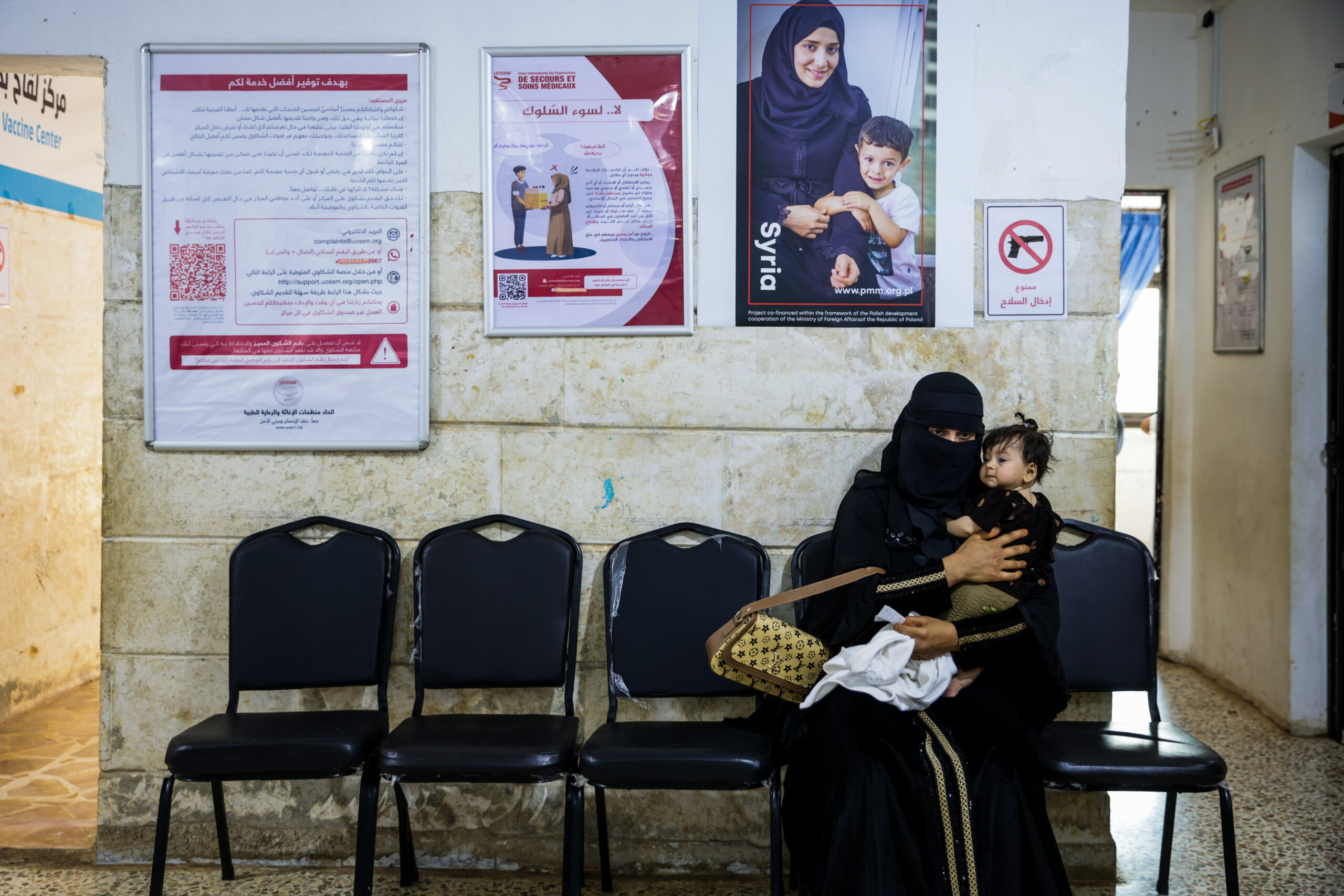
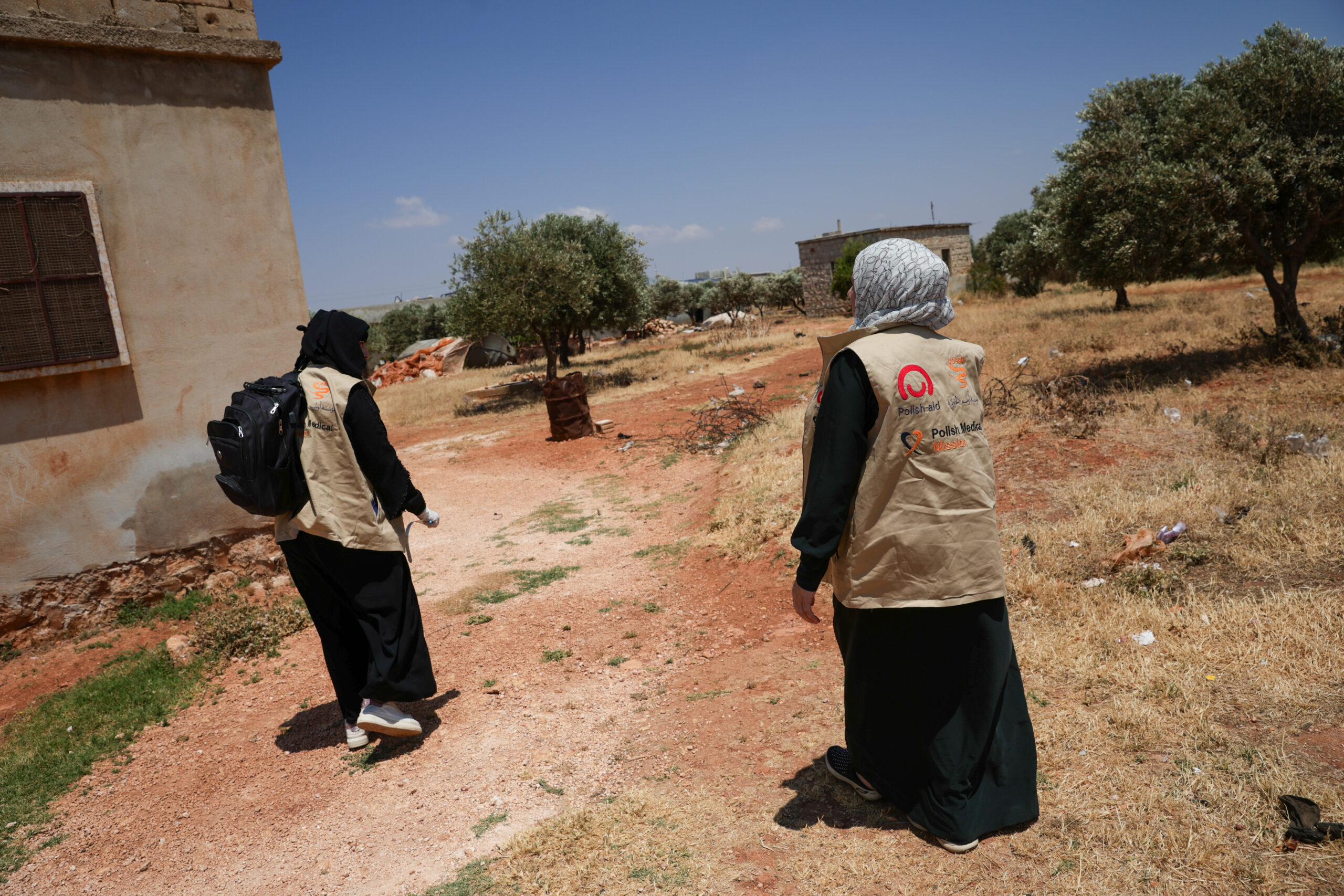
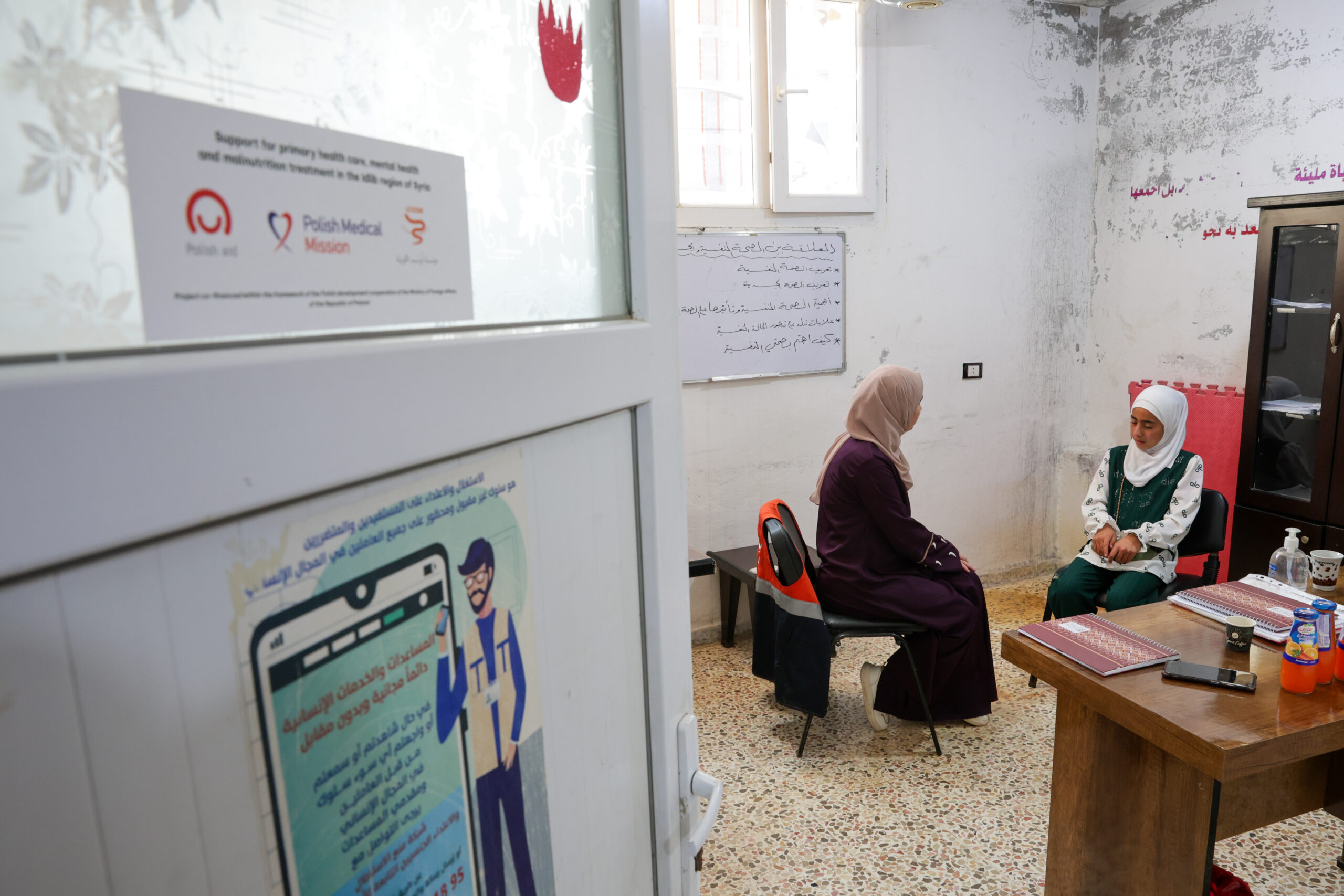
After 14 years of war, northwestern Syria continues to face a severe humanitarian crisis. In the Idlib region, around 720,000 internally displaced people live there, many in camps or makeshift shelters. At the same time, the region has received a large number of people returning to their homes across Syria.
Access to healthcare remains very limited — only about 57% of public hospitals are fully operational, and just 30% of primary healthcare centers are functioning. For many families, even basic treatment is financially out of reach.
The situation is particularly difficult in the Maaret Tamsrin district, where around 261,000 people live. More than half are displaced persons, and about 12% are families returning after years of conflict. Nearly one in five people lives with a disability, which further limits access to healthcare.
For residents of the Bhouri community, which has around 29,000 people, the local Primary Healthcare Center is often the only place where they can receive free medical assistance.
Syria is currently in the early recovery phase after more than a decade of conflict, sanctions, and mass displacement. According to UN data, in 2025 around 16.7 million people in the country require humanitarian assistance, including 15.8 million in need of medical support. More than 90% of the population lives below the poverty line, and the healthcare system remains severely weakened and fragmented, limiting access to treatment and basic medical services.