West Bank: Thousands of Medical Services Delivered, Support for Women and Children, and Assistance to 11 Communities
23.10.2026
Reading time
less then minute
Since 2024, the Polish Medical Mission has been helping people in the West Bank access healthcare, preventive services and psychosocial support.
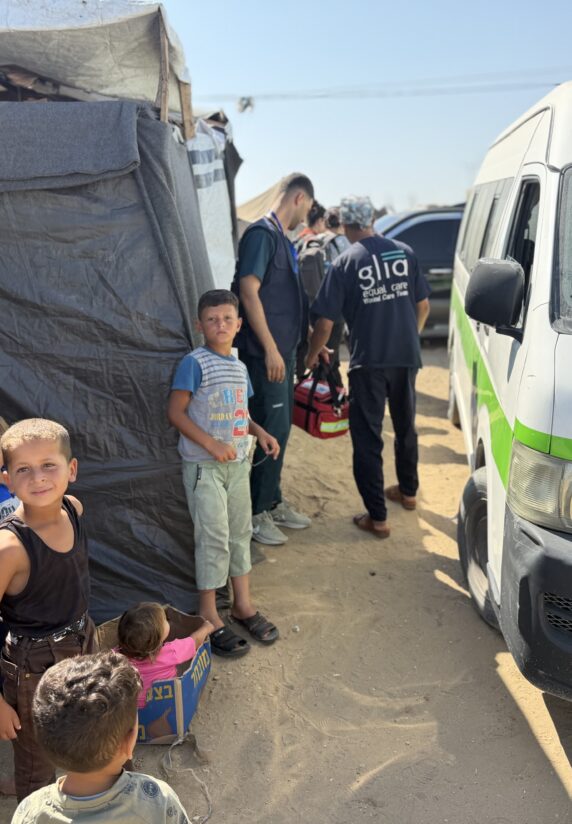
In marginalised Bedouin communities on the outskirts of Jerusalem and in the Jericho area, access to doctors, diagnostic tests and specialist care is severely limited. A mobile clinic provides a response to these needs by bringing services directly to residents. The project initially covered five communities and has gradually expanded its reach. It now operates in 11 communities with a combined population of more than 2,665 people.
The project is co-financed by the Ministry of Foreign Affairs of the Republic of Poland under the Polish development cooperation programme. It is implemented in partnership with the Palestinian Medical Relief Society (PMRS), responsible for medical care, and Terre des Hommes Italy (TDH), which delivers psychosocial support and strengthens local communities.
2026 – Continuing Activities in 11 Communities
In 2026, the project continues despite restrictions on movement, checkpoint closures and threats to the safety of residents and humanitarian teams.
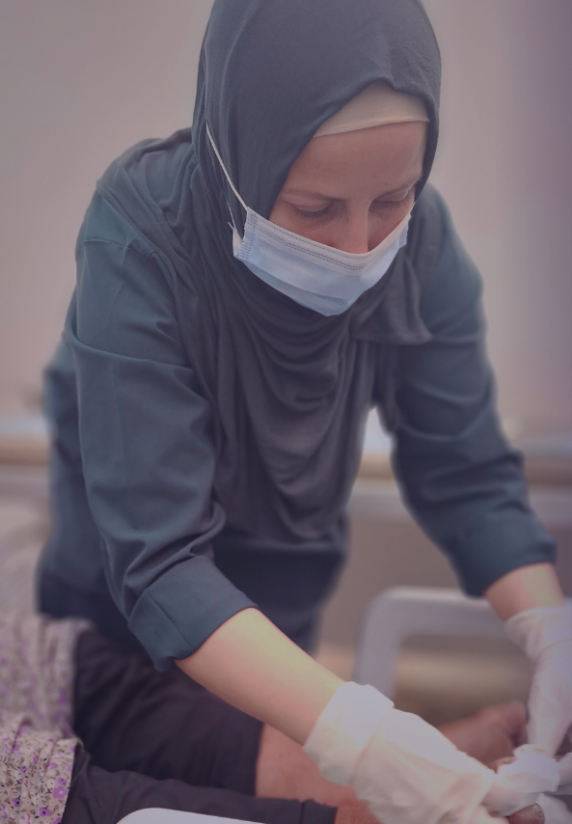
Medical Care – PMRS
According to the report covering the first three quarters of 2026:
- 5,832 curative medical services recorded in the report.
- 3,470 screening examinations.
- 1,283 laboratory tests, performed for 916 people.
- 3,783 people reached through health education, covering topics including chronic diseases, reproductive health, anaemia, nutrition, infections and first aid.
- 1,097 women accessing sexual and reproductive health services.
- 71 cases of gender-based violence identified and documented as part of the identification and referral process; 33 women were referred to specialist services, including psychiatric and legal support.
- 195 people with disabilities receiving care, of whom 62 were referred for specialist consultations or treatment.
- 904 people accessing psychosocial support through the PMRS component.
Psychosocial Support – TDH
According to the project’s working records as of the end of September 2026:
- 1,350 children receiving psychosocial support.
- 65 additional psychosocial and recreational sessions.
- Continued activities in safe spaces, including sessions designed to support children’s emotional well-being, develop their social skills and strengthen their ability to cope with stress.
- Continued support for local volunteers, enabling them to deliver activities within their own communities.
- Activities supporting children and young people in their education, including additional educational sessions.
The 2026 figures are interim results and do not represent the final annual totals.
Galeria
-
 1 / 4
-
 2 / 4
-
 3 / 4
-
 4 / 4


Palestine
2025 – Expanding Access to Medical Care and Psychosocial Support
In the project’s second year, the mobile clinic continued its regular visits, extending its reach to additional Bedouin communities.
Medical Care and Prevention – PMRS
- 306 mobile clinic visits in 2025.
- 8,405 curative medical services recorded in the PMRS report.
- 2,023 screening examinations, supporting the early detection of health issues, including anaemia, diabetes and pregnancy.
- 1,002 laboratory tests, including urine tests, pregnancy tests, and blood glucose and haemoglobin tests.
- 1,990 people reached through health education, according to the first-half report, covering topics such as hygiene, nutrition, reproductive health and chronic diseases.
- 850 women accessing sexual and reproductive health services in the first half of the year, including antenatal and postnatal care, family planning and treatment for sexually transmitted infections.
- 68 cases of gender-based violence identified and addressed through follow-up support measures in the first half of the year.
- 63 people with disabilities receiving medical care in the first half of the year; 21 were referred for specialist consultations or treatment.
- 444 people accessing psychosocial support through the PMRS medical component in the first half of the year.
- Home visits for people who were unable to reach the mobile clinic due to limited mobility or other difficulties.
Women’s Health and Education – PMRS
- Educational sessions and preventive activities focusing on the health of women and girls, hygiene, sexual and reproductive health, and the prevention of gender-based violence.
- Individual support and referrals to appropriate specialist services for women requiring further assistance.
- Educational activities delivered in small groups, taking into account the sensitive nature of the topics and the needs of participants.
Psychosocial Support – TDH
- 94 psychosocial sessions for children, documented in the report on TDH’s activities in 2025, reaching 1,446 children and providing them with a safe space for emotional support and development.
- 35 group sessions for women, focusing on self-care, stress management and relaxation techniques.
- 7 local volunteers trained in psychosocial support methods. The volunteers subsequently delivered regular sessions for children and women, with ongoing professional guidance.
- 5 safe spaces for children renovated and equipped to host psychosocial, educational and recreational activities.
- Educational materials, toys, books and art supplies used in activities with children.
The sessions helped children develop concentration, emotional regulation, impulse control, self-confidence and social skills. Women, in turn, were able to access a safe space for conversation, mutual support and learning practical ways to manage stress.
Material Assistance
- 250 hygiene kits distributed in 2024.
- 58 hygiene and personal care kits distributed in 2025, according to the project records.
2024 – Launching the Mobile Clinic and Delivering Initial Assistance
- 1 mobile clinic purchased and equipped with medical and diagnostic equipment.
- 74 mobile clinic visits, providing medical care to 1,995 patients from five communities.
- Primary healthcare for children and adults, including people with chronic conditions, pregnant women and people with disabilities.
- Preventive activities and health education covering topics such as chronic diseases, anaemia, nutrition and first aid.
- Psychosocial support: according to the project records, 41 individual interventions and 10 group sessions were delivered, reaching 112 people, including 56 children.
- 10 local community leaders trained to support their communities in health-related matters and provide basic psychosocial support.
- 250 hygiene kits distributed to residents to promote hygiene and prevent infectious diseases.
- Material assistance for 75 children in the form of warm clothing and footwear, as well as the distribution of water purifiers and tarpaulins to protect homes during the winter.
The first year laid the foundations for mobile healthcare services and helped identify communities’ needs for further psychosocial support.